
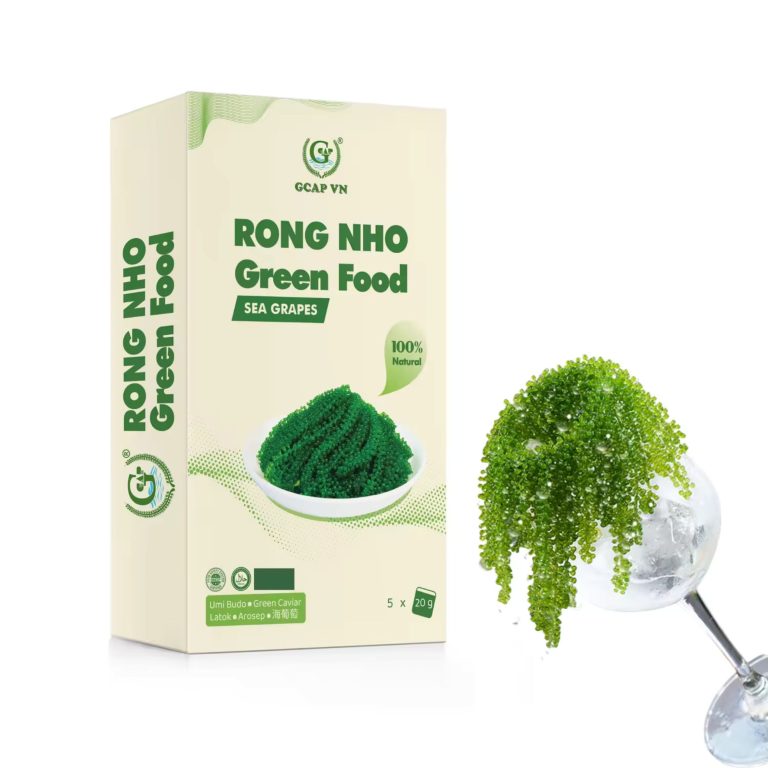
Seaweed Packaging Boxes: Revolutionizing Sustainable Packaging Solutions
With the increasing awareness of environmental sustainability and the global strides toward reducing our reliance on plastic, the packaging industry is undergoing a significant transformation. One of the most innovative solutions emerging today is seaweed packaging boxes. These eco-friendly alternatives offer an extraordinary combination of functionality, biodegradability, and versatility, making them ideal for diverse sectors, particularly the food industry. In this blog, we delve into what makes seaweed packaging so groundbreaking and essential in our journey toward a greener planet.
What Are Seaweed Packaging Boxes?
Seaweed packaging boxes are an advanced category of sustainable packaging made from seaweed-derived materials. Unlike traditional plastic packaging, these boxes are 100% biodegradable, compostable, and free from toxins. The application of seaweed as a primary material has unlocked a world of possibilities in creating packaging solutions that cater to modern industries while leaving no harmful footprint behind.
The flexibility of seaweed allows these boxes to take various forms, making them suitable for a wide range of uses, including food packaging, cosmetics, and even luxury items. This innovation has gained the attention of both businesses and consumers alike for its remarkable blend of sustainability and practicality.
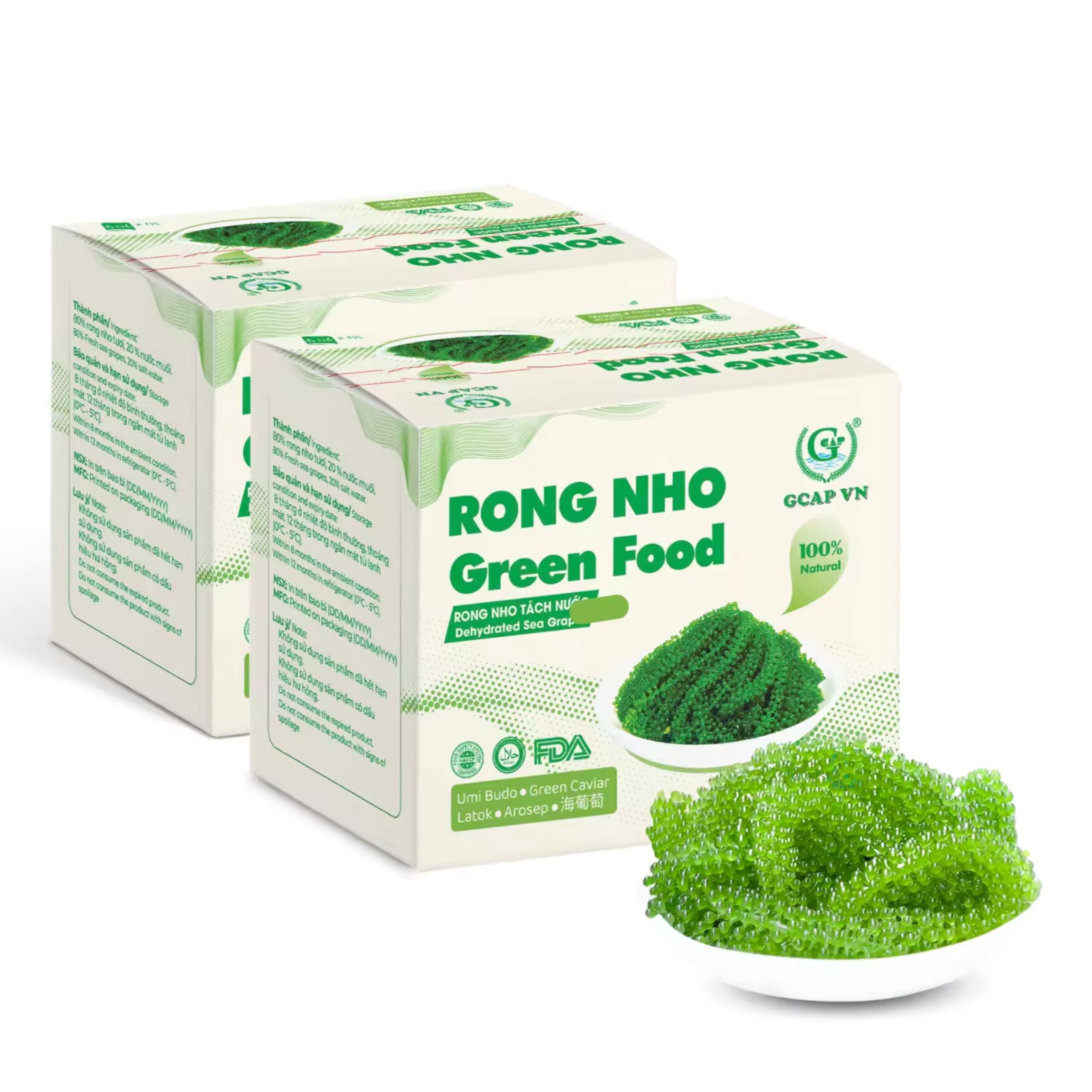
Seaweed Packaging Boxes for Food: A Game-Changer
One of the most prominent uses of seaweed packaging is in the food industry. Custom Seaweed Packaging Boxes offer an unparalleled combination of food-safe properties and environmental benefits. These packaging solutions are not only biodegradable but can also enhance food preservation.
Why is this important? Single-use plastic food packaging is a significant contributor to global waste, with millions of tons ending up in landfills and oceans every year. Seaweed packaging boxes for food provide an exceptional alternative by offering functionality that rivals—and sometimes exceeds—that of plastic. For example, the natural fibers in seaweed can provide a robust structure that resists leaks and maintains freshness, particularly for perishables.
Moreover, their versatility allows them to be molded into various shapes and sizes, making them suitable for items like sandwiches, salads, snacks, and more. Restaurants, catering businesses, and grocery retailers are increasingly adopting seaweed packaging as part of their commitment to sustainability.
How Seaweed Packaging Material Is Transforming the Industry
The success of seaweed packaging boxes lies primarily in the unique properties of seaweed packaging material. Seaweed is naturally abundant, renewable, and grows rapidly in aquatic environments without requiring fertilizers or additional resources. This makes it a highly sustainable option compared to traditional crops used in packaging materials.
The material is also versatile enough to accommodate various manufacturing processes, including 3D molding and extrusion. This adaptability enables seaweed packaging companies to create customized designs tailored to specific needs across industries.
How to Make Seaweed Packaging: A Behind-the-Scenes Look
The process of creating seaweed packaging involves several well-researched steps to ensure the final product is both durable and environmentally friendly. Below is an overview of how to make seaweed packaging:
| Step | Description |
|---|---|
| 1. Harvesting | Seaweed is collected from sustainable aquatic farms or natural environments, ensuring the health of marine ecosystems. |
| 2. Processing | The harvested seaweed is carefully processed to extract raw fibers or biopolymers, depending on the desired product. |
| 3. Molding | The processed material is molded into the desired shape, often using heat or pressure to achieve the final structure. |
| 4. Curing | Once molded, the material is dried and cured to enhance durability and usability. |
This carefully controlled process ensures that the final product meets high-quality standards while remaining environmentally sustainable.
Disadvantages of Seaweed Packaging: Understanding the Challenges
While seaweed packaging has numerous advantages, it does come with a few challenges. These include:
- Higher Production Costs: The technology and resources required to produce seaweed packaging are currently more expensive compared to traditional plastics.
- Limited Adoption: Many industries remain hesitant to switch to seaweed packaging because of logistical concerns and a lack of awareness.
- Durability Issues: Although seaweed packaging is remarkably robust, it may not yet match the strength of some synthetic materials for heavy-duty applications.
However, ongoing research and development promise to address these limitations, ensuring broader usability and cost efficiency in the near future.
Conclusion
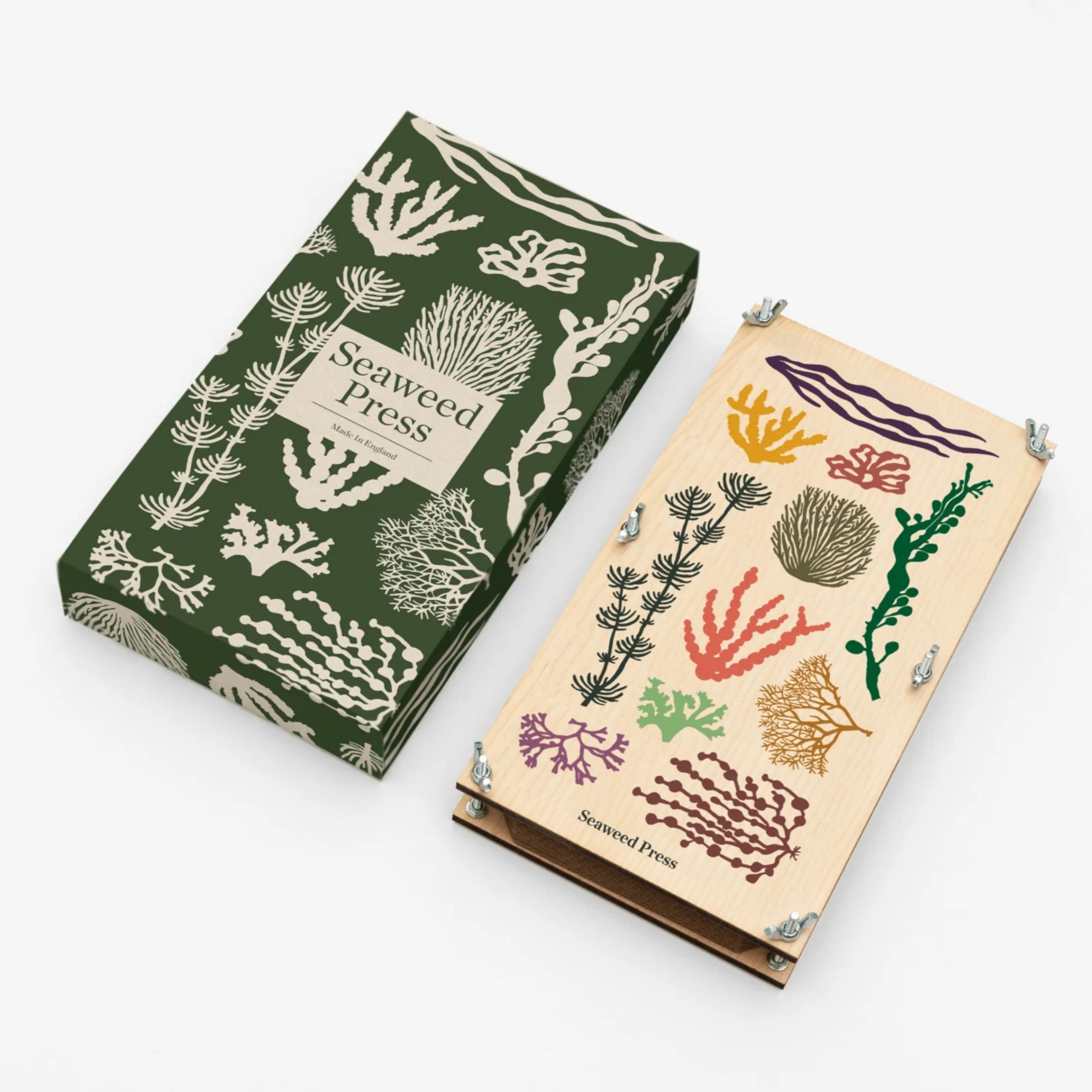
Seaweed packaging boxes are undoubtedly one of the most promising advancements in sustainable packaging. With their ability to reduce plastic waste, enhance food preservation, and offer unique customization opportunities, they represent a versatile and eco-friendly solution for businesses across various industries.
As more organizations join the movement towards sustainability, embracing innovative materials like seaweed has become not just a trend but a necessity. If you’re considering making the switch to sustainable packaging, consult trusted experts like Custom Boxes Shop Co UK for tailored solutions that align with your brand’s commitment to the environment.
By choosing solutions like seaweed packaging, we take a significant step toward a future where packaging is as kind to the planet as it is convenient for consumers.